THE CHALLENGE

End the captivity of elephants in Switzerland!

16 elephants are still living in captivity in Switzerland, at the zoos in Basel, Zurich and Rapperswil.

However, the scientific knowledge is now unequivocal: no zoo enclosure can meet the needs of an animal as intelligent, social and far-ranging as an elephant. The hard surfaces cause irreversible damage to their feet, the size of the facilities prevents natural movement, social groups are artificial and the psychological distress is profound.

THE EVIDENCE

What science confirms

1.

Movement

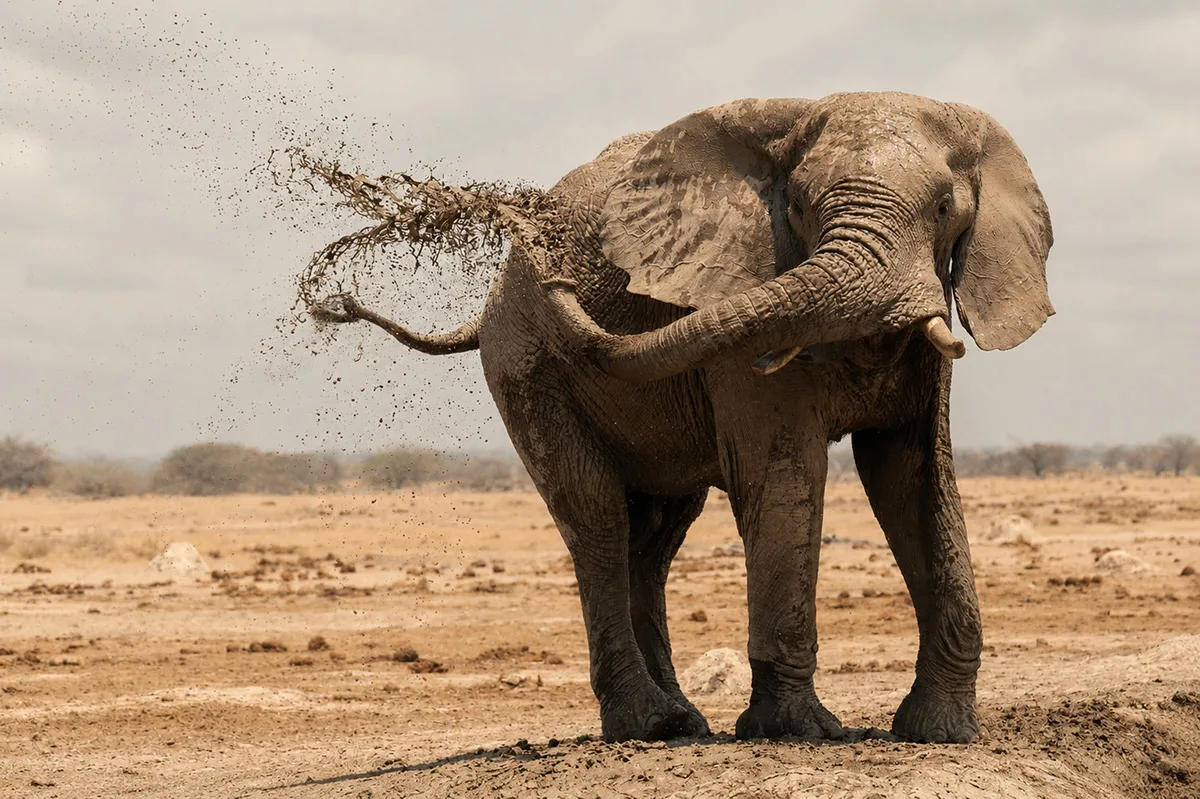
They roam across territories spanning hundreds of square kilometres. Their anatomy, their feet, and their spatial memory evolved for a life of constant movement.

2.

Intelligence

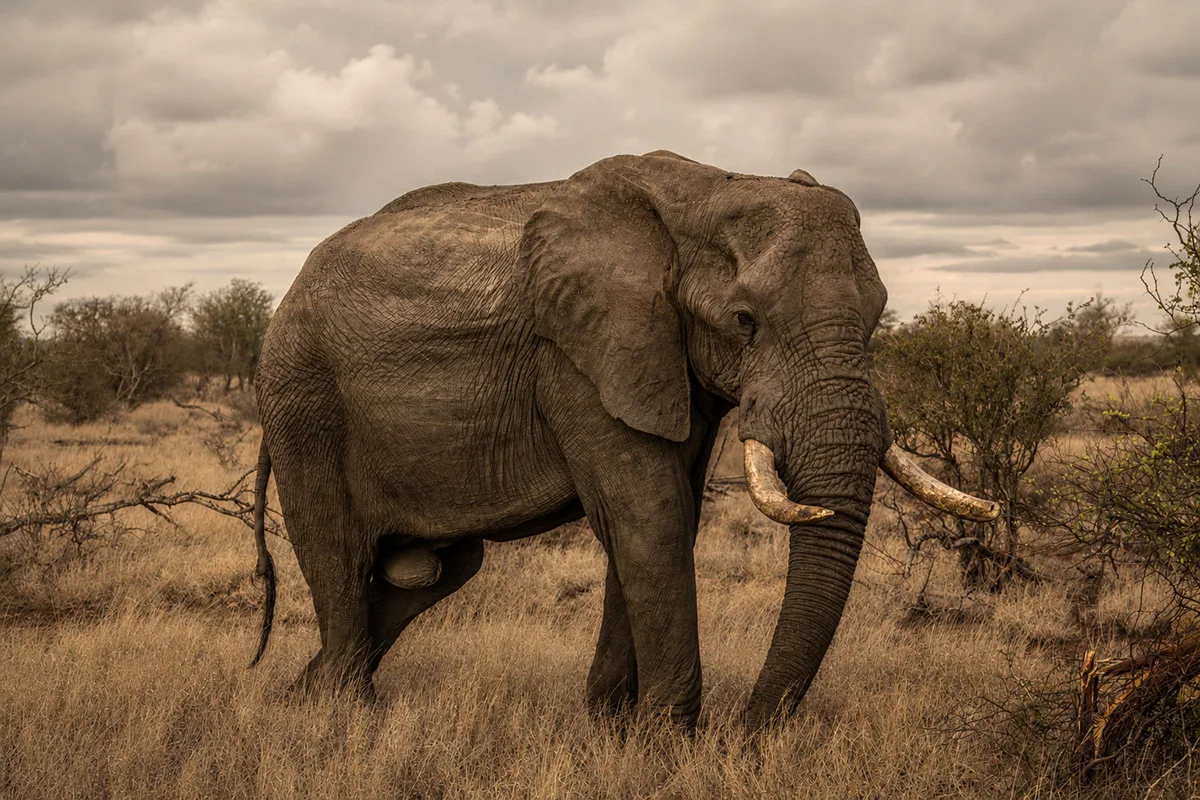
They have the largest brains of any land animal. They use them every day to remember routes, make decisions as a group, and navigate complex social relationships — abilities that captivity leaves with little purpose.

3.

Social Life

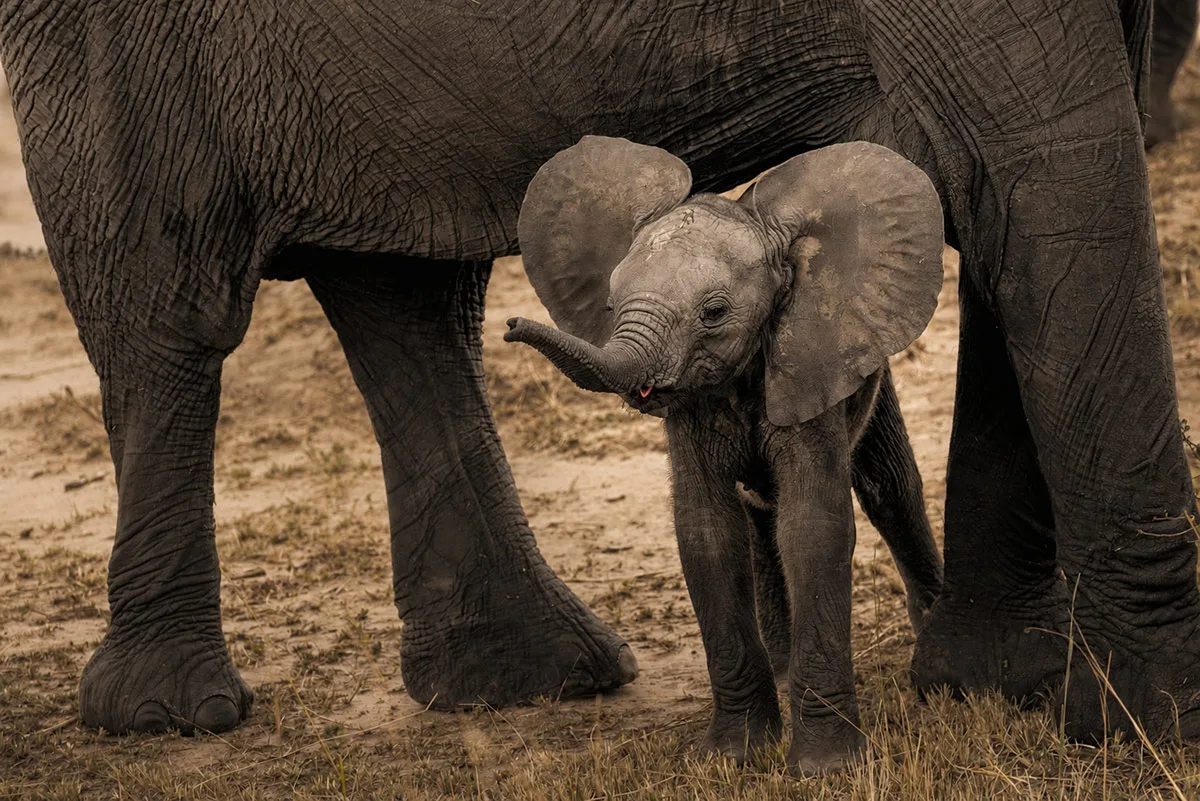
Females live in multigenerational family groups. The experience of older females guides the herd and teaches younger generations how to raise their young. Separating them disrupts this essential transfer of knowledge.

Captivity takes away precisely what elephants need most: the freedom to roam, the autonomy to make their own choices, the richness and complexity of their natural environment, and the ability to shape their daily lives according to their own needs and instincts.

THE REALITY

The Situation in Switzerland

16

elephants are currently held in captivity in Swiss zoos:

Basel
3
Zúrich
5
Rapperswil
8

Basel Zoo

Tika · Kimana · Mali

Between 3 and 19 years old
3 AFRICAN SAVANNA ELEPHANTS

Loxodonta africana

Zurich Zoo

Thai · Fahra · Indi · Chandra · Panang

Between 21 and 40 years old
5 ASIAN ELEPHANTS

Elephas maximus

Rapperswil Zoo

Ceylon II · Rani · Sabu · Mapalay · Sandry · Kalaya · Thisiam · Kamon

Between 4 and 56 years old
8 ASIAN ELEPHANTS

Loxodonta africana

Each elephant is an individual who deserves far more than a life defined by boredom and chronic physical and psychological suffering.
They deserve to live as elephants should.

THE ALTERNATIVE

A Life Closer to Their Natural Needs

A sanctuary is a place of refuge for animals who can no longer be returned to the wild, where their well-being takes precedence over every other consideration.

Unlike zoos, sanctuaries do not exhibit animals, breed them, trade them with other institutions, or use them for entertainment.

Their aim is to provide a life as close as possible to their natural needs, with greater freedom of movement, autonomy, and opportunities for social interaction that reflect their needs and natural behaviours.

Greater Freedom of Movement

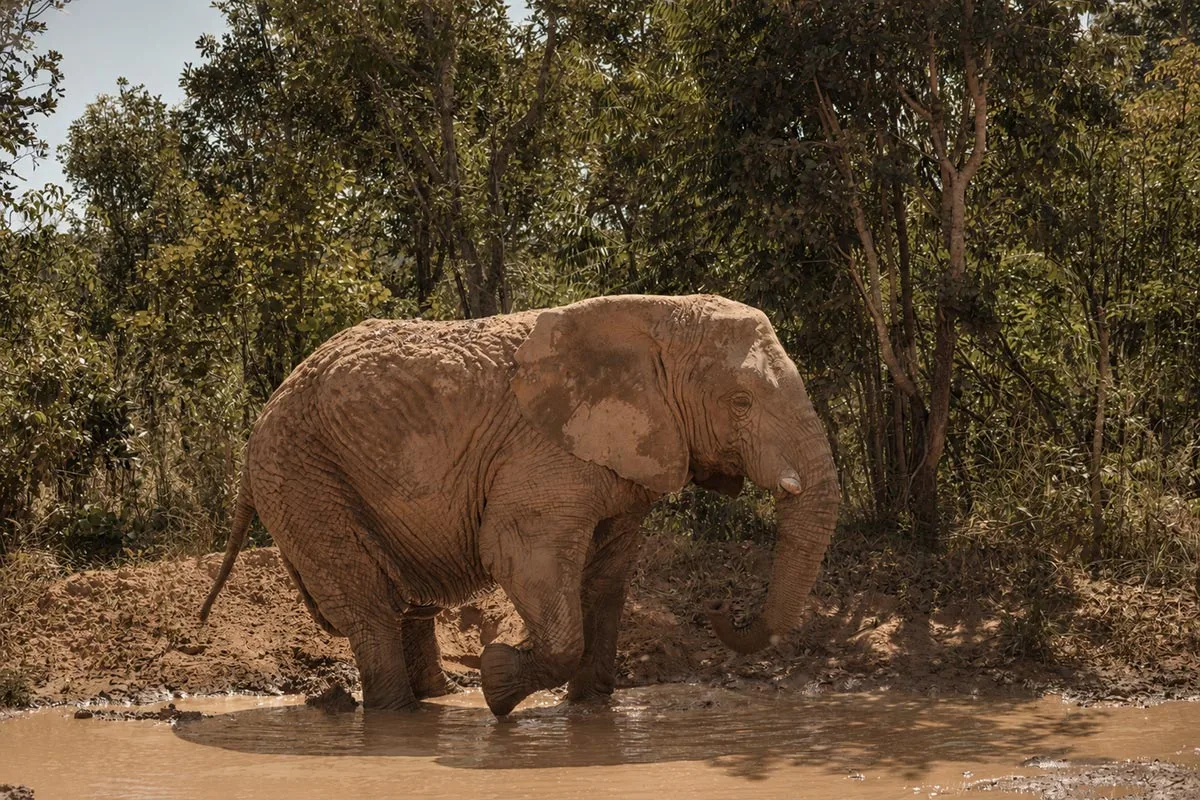
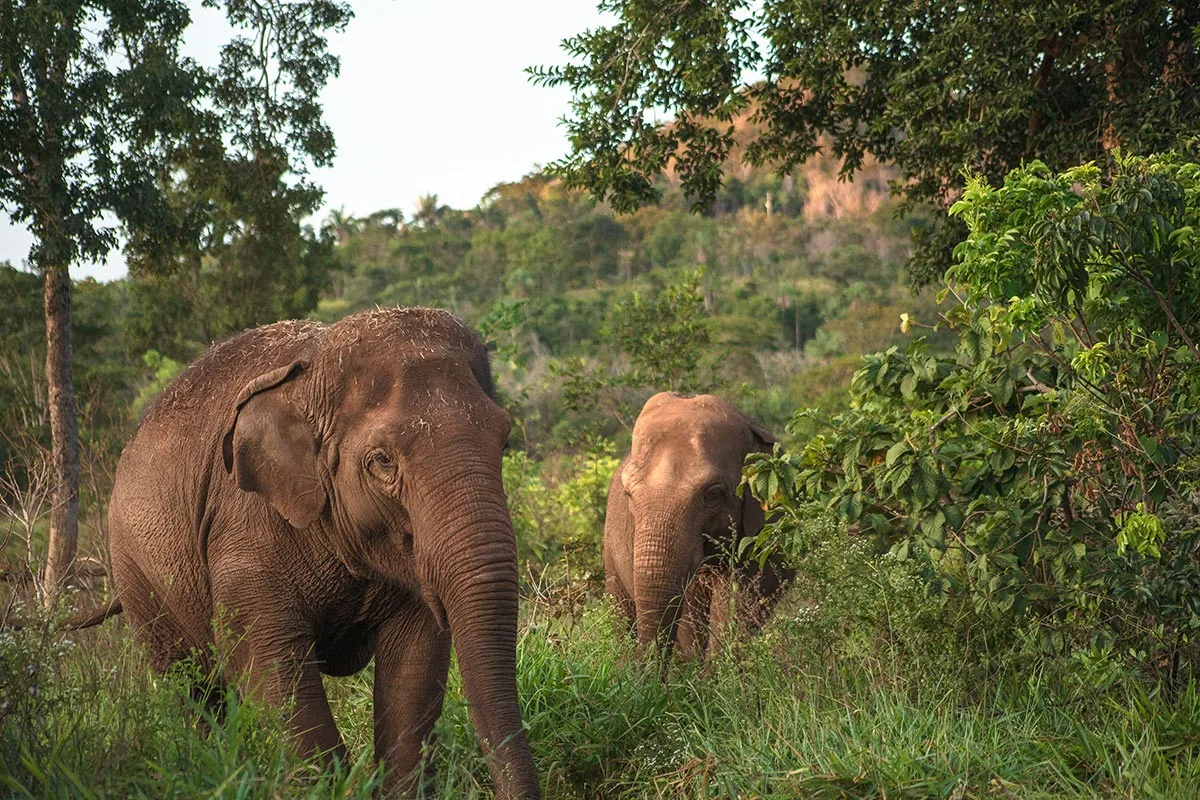
Spacious environments where they can move freely, explore, and travel greater distances, expressing natural species-specific behaviours.
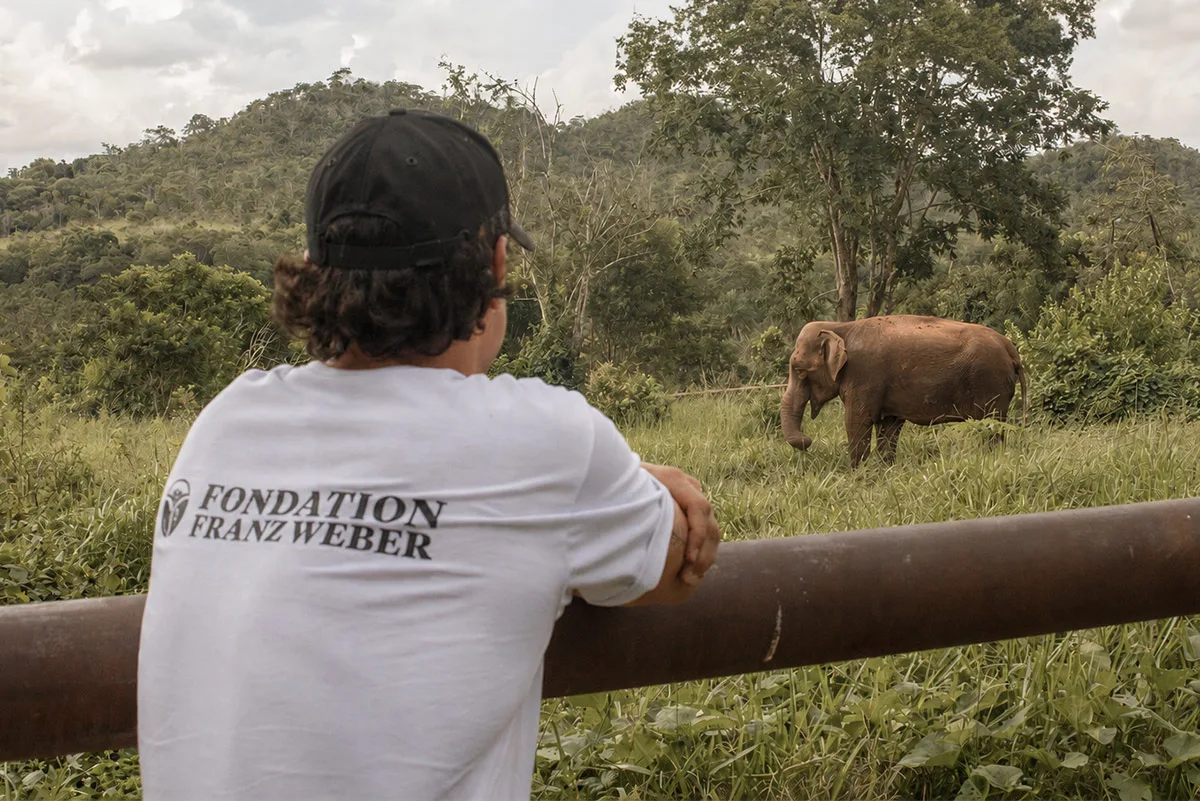
PHOTO: Kenya at Elephant Sanctuary Brazil

Physical, Psychological and Social Well-Being

An environment adapted to their physical, psychological, and social needs, where their well-being takes precedence over every other consideration.
PHOTO: Mara at Elephant Sanctuary Brazil

Greater Autonomy

The ability to make their own choices about when to eat, when to rest, when to explore, and when to interact with other individuals.
PHOTO: Pocha and Guille at Elephant Sanctuary Brazil
THE EVIDENCE

A Transition Is Already Possible

Project ELE has already made it possible to relocate five elephants from zoos in Argentina to Elephant Sanctuary Brazil. Today, Argentina is the first country in the world to have sent all of its captive elephants to a sanctuary for scientific and ethical reasons..
⇆
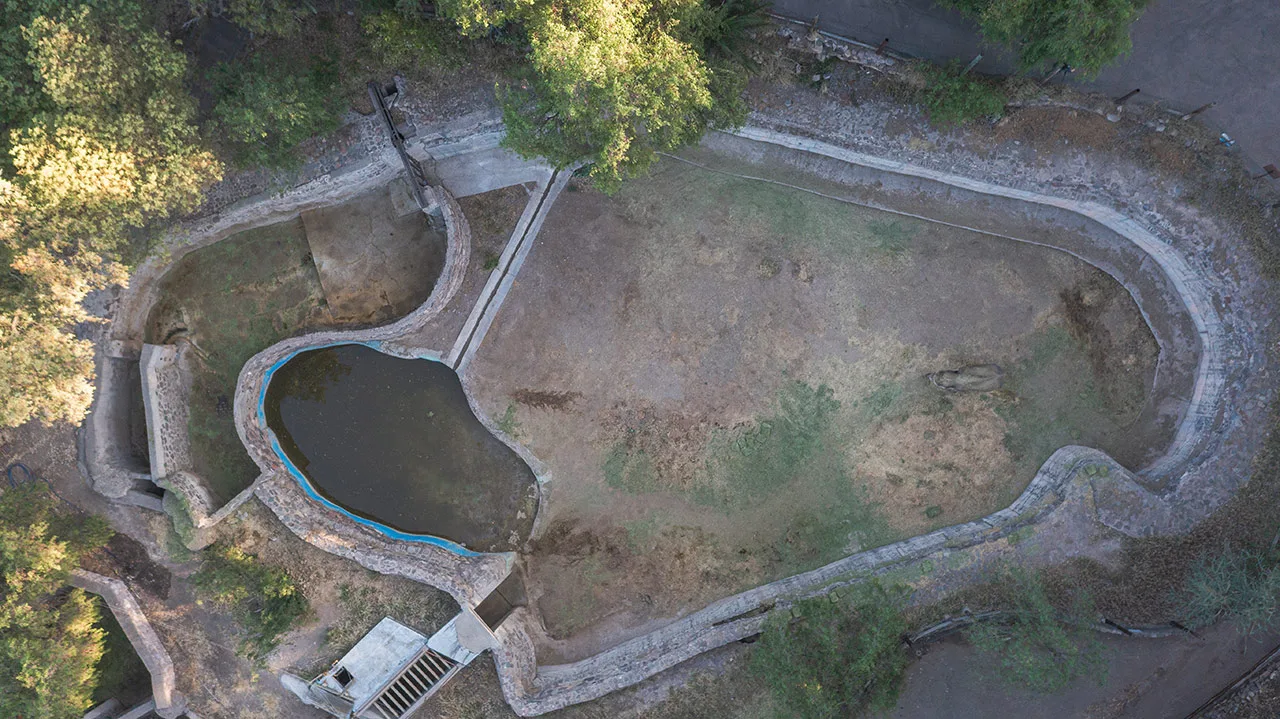
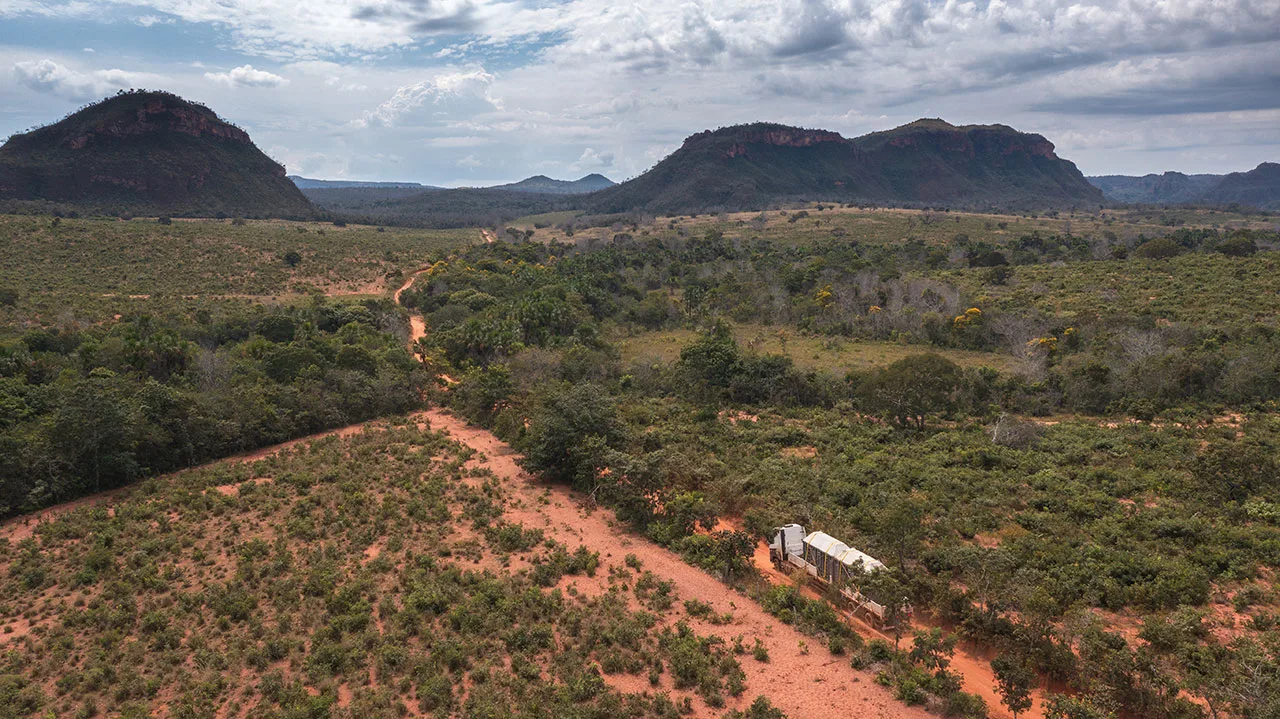
PHOTOS: The concrete-and-stone enclosure where Pocha and Guille lived | Pocha and Guille arriving at Elephant Sanctuary Brazil
2020

Mara

An Asian elephant rescued from a circus in 1995 who later lived at Buenos Aires Zoo.

2022

Pocha and Guille

An Asian mother and daughter who spent 54 and 23 years living in a pit at Mendoza Zoo.

2025

Pupy

An African elephant who arrived at Buenos Aires Zoo in 1993 after being captured in Kruger.

2025

Kenya

An African elephant who lived alone at Mendoza Zoo from 1985, when she was four years old.

Sobre la base de esta experiencia única, la Fundación Franz Weber trabaja para que los elefantes que permanecen en zoológicos puedan acceder a condiciones más acordes con sus necesidades biológicas, psicológicas y sociales.

Get Involved

How to Help

The ELE campaign has already helped bring elephant captivity in Argentina to an end. With your support, we can work towards the same goal in Switzerland.

Raise awareness and share

The first step is to raise awareness of the reality of elephant captivity. Share information from this campaign on social media and with friends and family. An informed public can help pave the way for change.

Support the campaign

Fondation Franz Weber is committed to long-term action, including scientific research, legal analysis, field investigations, public awareness and dialogue with the authorities.

Make a Donation

Every contribution helps us protect the well-being and dignity of elephants, promote sanctuary solutions and advance an approach based on respect for their biological, psychological and social needs.

Porque ningún elefante debería pasar su vida entre cuatro paredes de hormigón.